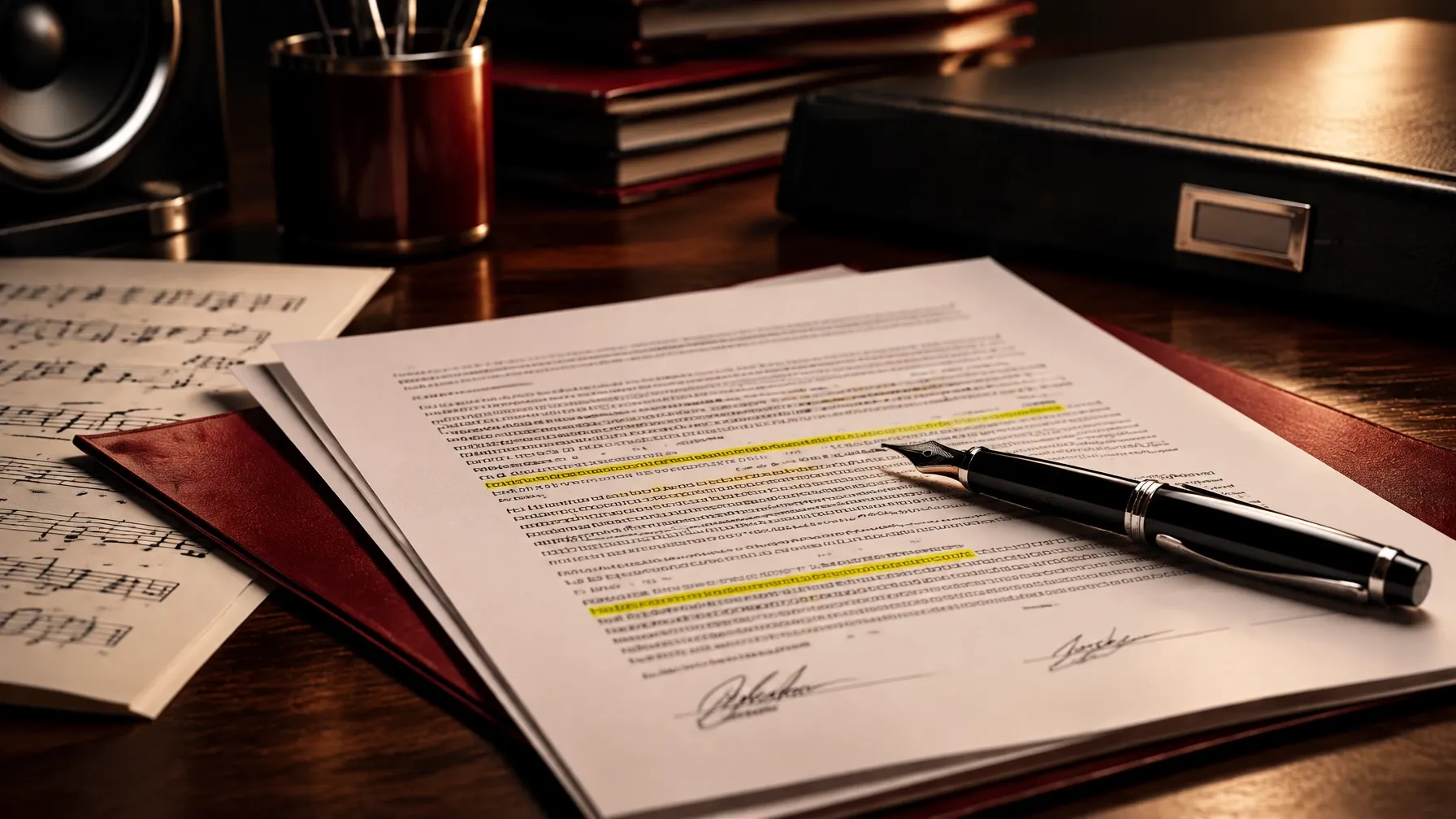
Wixen's $102M Suit Against Meta Dismissed Over Paperwork
Credit: Generated for Power JDM The Beat.
A major music-rights case against Meta was dismissed because the plaintiff did not clearly prove it had the legal right to bring the copyright claims.
According to Music Business Worldwide, a federal judge dismissed Wixen Music Publishing’s copyright infringement claims against Meta on September 4, 2026. The case reportedly involved approximately $102 million and 681 musical works.
The decision was not a ruling that Meta did not infringe the copyrights. Instead, the court found that Wixen had not adequately established standing. The legal ability to sue over the works in question.
That difference matters for every songwriter, producer, publisher, and independent artist managing a catalog.
What happened in the Wixen and Meta case
Wixen Music Publishing accused Meta of copyright infringement involving music used across platforms including Facebook, Instagram, and WhatsApp. The case reportedly expanded to cover 681 works, with potential damages reaching approximately $102 million.
In an order dated September 4, Judge John F. Walter found that Wixen’s complaint did not clearly establish the rights it held in each work. Wixen generally described itself as an “exclusive licensee and/or owner,” but the court found that description too broad.
The complaint did not sufficiently identify, work by work:
- Whether Wixen owned the copyright
- Whether Wixen held an exclusive license
- Which exclusive rights Wixen controlled
- How those rights were transferred
- Whether co-owners had agreed to the lawsuit
The court’s concern was standing. Under copyright law, a party generally needs to own the copyright or hold the kind of exclusive rights that allow it to sue for infringement.
Music Business Worldwide reported that the dismissal was without prejudice, meaning Wixen may have an opportunity to amend its complaint. The ruling therefore did not settle every underlying question about how Meta may have used the music. It addressed whether Wixen had shown that it was the proper party to bring the copyright claims.
Ownership and administration are not the same
The case highlights a distinction that can be confusing in the music business: owning publishing rights is different from administering publishing rights.
Ownership means holding a legal share of the copyright in a composition. If two songwriters split a song 50/50, each songwriter may own half of the composition unless a different arrangement was made in writing.
Administration generally means managing rights on behalf of the copyright owner. An administrator may register songs, collect royalties, issue licenses, monitor usage, and handle accounting. But administration does not automatically mean the administrator owns the copyright or has the right to sue.
An administration agreement may give an administrator broad responsibilities while leaving ownership with the songwriter. A separate exclusive license may grant specific rights, but the agreement must clearly explain what those rights are and who controls them.
That distinction became central to the Wixen case. A company may manage a catalog without having every legal power connected to that catalog. If a work has multiple owners, one party may also need consent from the other owners before bringing an infringement claim.
The issue can become even more complicated when catalogs include co-writers, estates, sub-publishers, prior administrators, or agreements signed in different countries.
The practical lesson is straightforward: the paperwork must match the legal argument. If a company says it owns a work, it should be able to show the ownership chain. If it says it is an exclusive licensee, it should be able to identify the agreement and the exclusive rights granted.
The paperwork failed before the argument was heard
Rights analysts described the decision as a publishing administration proof problem. In simple terms, the case ran into a documentation issue before the court reached the full argument about infringement.
That does not mean paperwork is less important than creative work. It means paperwork is part of the creative business.
A song can be valuable, widely played, and clearly identifiable, but a rights holder may still face problems if the ownership records are incomplete. A court needs to know who owns the work, who controls it, and who has authority to enforce the rights.
The problem can appear in many situations:
- A split sheet was discussed but never signed
- A co-writer’s percentage was changed without an updated agreement
- An administrator’s authority was assumed rather than documented
- A catalog was acquired without a complete chain of title
- A license identified a catalog generally but did not list the specific works
- A co-owner did not provide written consent
- Registration information did not match the contract
For independent artists and self-released musicians, these issues may seem distant from day-to-day recording and releasing. They become important when a song generates meaningful income, is sampled, is licensed for media, or becomes part of a dispute.

Credit: Generated for Power JDM The Beat.
Why independent artists should pay attention
The Wixen case involved a large publishing company and a major technology platform, but the basic lesson applies to smaller catalogs.
Independent artists often perform several roles at once. One person may be the songwriter, publisher, label, distributor, administrator, and royalty collector. That can make it easy to treat ownership and administration as if they are the same thing.
They are not.
An artist may own the composition but use a publishing administrator to collect money. Another artist may assign certain rights to a publisher while keeping other rights. A producer may receive a percentage of a composition but not own the master recording. A vocalist may have a contractual interest in a recording without owning the underlying song.
Each relationship should be documented separately.
This is also important because 2026 has brought a wave of music copyright litigation. Universal Music Group and Sony Music have continued legal action against AI music company Suno over alleged use of copyrighted sound recordings in model training. Separately, Jason Isbell and other artists have pursued a proposed class action involving the use of artist names, voices, and identities.
Those disputes involve different legal theories, including copyright, right of publicity, and licensing. But they share a common business question: who owns the right, and who has authority to control or enforce it?
As catalogs move through labels, distributors, publishers, administrators, platforms, and AI systems, clear records become increasingly important.
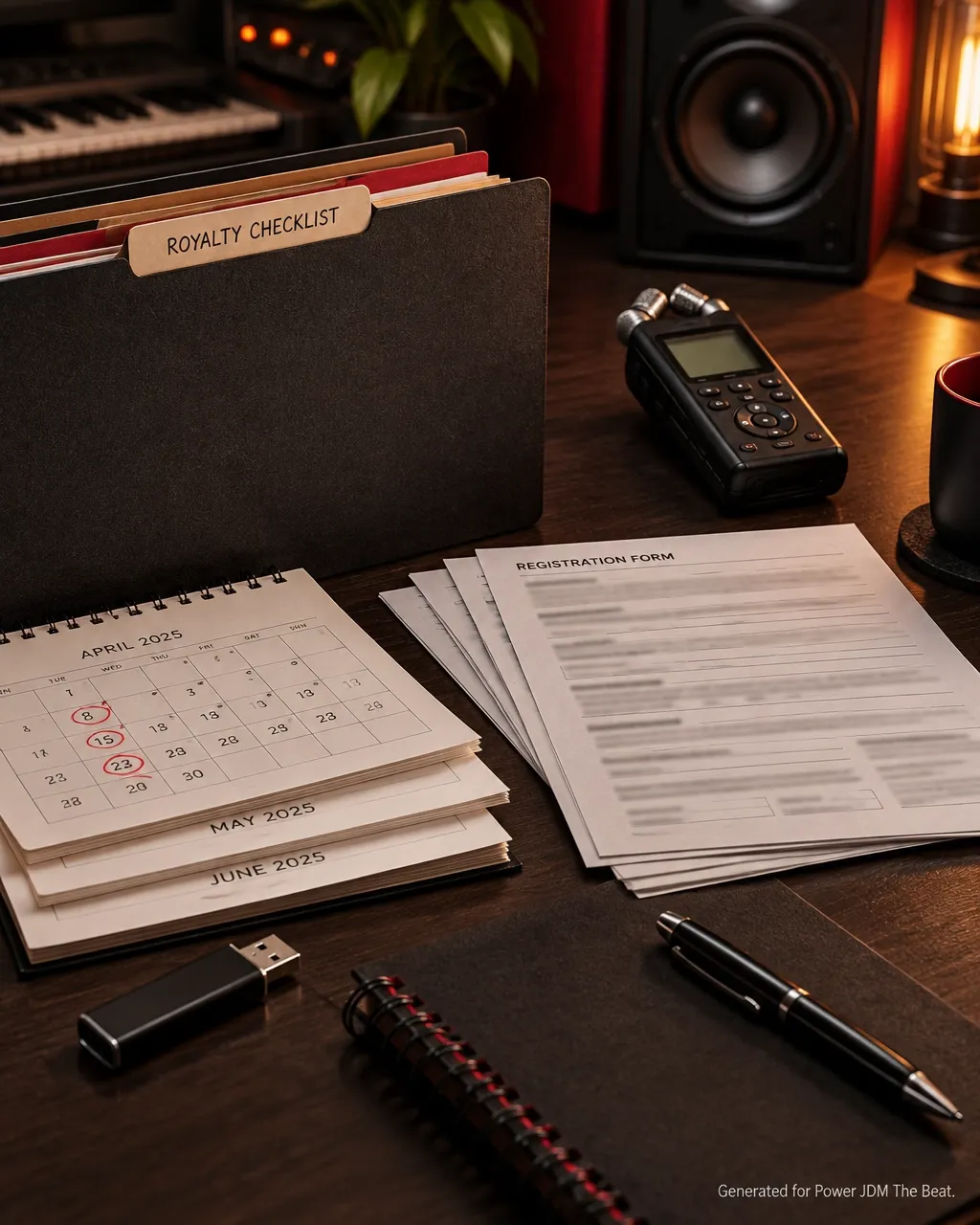
A practical rights checklist
Know whether you own or administer your publishing
Read your publishing agreement carefully. Determine whether you own the copyright, administer it for someone else, or have received a specific exclusive license. Keep a copy of the agreement and note its start date, term, territory, and rights granted.
Keep co-writer agreements and split sheets signed
A split sheet should identify every writer, each percentage, the song title, the date, and the signatures of the participants. Verbal agreements can create confusion later, especially when a song begins earning significant royalties.
Document exclusive licenses in writing
If you grant or receive exclusive rights, the agreement should identify the specific works and the rights covered. Avoid relying on vague descriptions such as “all songs” when a detailed catalog schedule can be attached.
Register your compositions correctly
Make sure registration information is consistent with your signed agreements. The U.S. Copyright Office’s registration resources provide information about registering musical works and sound recordings. A registration does not replace a contract, but accurate registration helps create a clearer record.
Keep dated records of your catalog
Save dated copies of contracts, split sheets, registrations, revisions, royalty statements, licenses, emails, and catalog lists. Organize files by song title and version. Keep track of alternate titles, work IDs, writers, publishers, and ownership percentages.
Understand that co-owners may have consent rights
If a composition has multiple owners, one owner may not automatically have authority to act for everyone. Review the agreement governing the work and obtain written consent when required.
Publishing
Keep publishing records separate from master-recording records. The composition, the lyrics and music, is different from the sound recording: the particular recorded performance. Each can have different owners, administrators, licenses, and royalty streams.
SoundExchange
"Artists who own or control their master recordings may also collect eligible SoundExchange royalties when their music is played on qualifying non-interactive digital services."
Information about neighboring-rights royalties and registration is available through SoundExchange.
Credit: Generated for Power JDM The Beat.
The larger lesson
The Wixen decision is a reminder that a strong copyright claim starts with a clear rights record.
The court did not decide, based on the reported ruling, that no infringement occurred. It found that Wixen had not sufficiently shown that it owned or exclusively controlled the rights needed to bring the claims involving the 681 works.
For songwriters and self-released artists, the lesson is not to create more complicated paperwork for its own sake. It is to make sure the paperwork accurately reflects the deal.
Who wrote the song? Who owns it? Who administers it? Who can license it? Who can sue? When those answers are documented clearly, the catalog is easier to manage, and the rights argument has a better chance of being heard.

Credit: Generated for Power JDM The Beat.