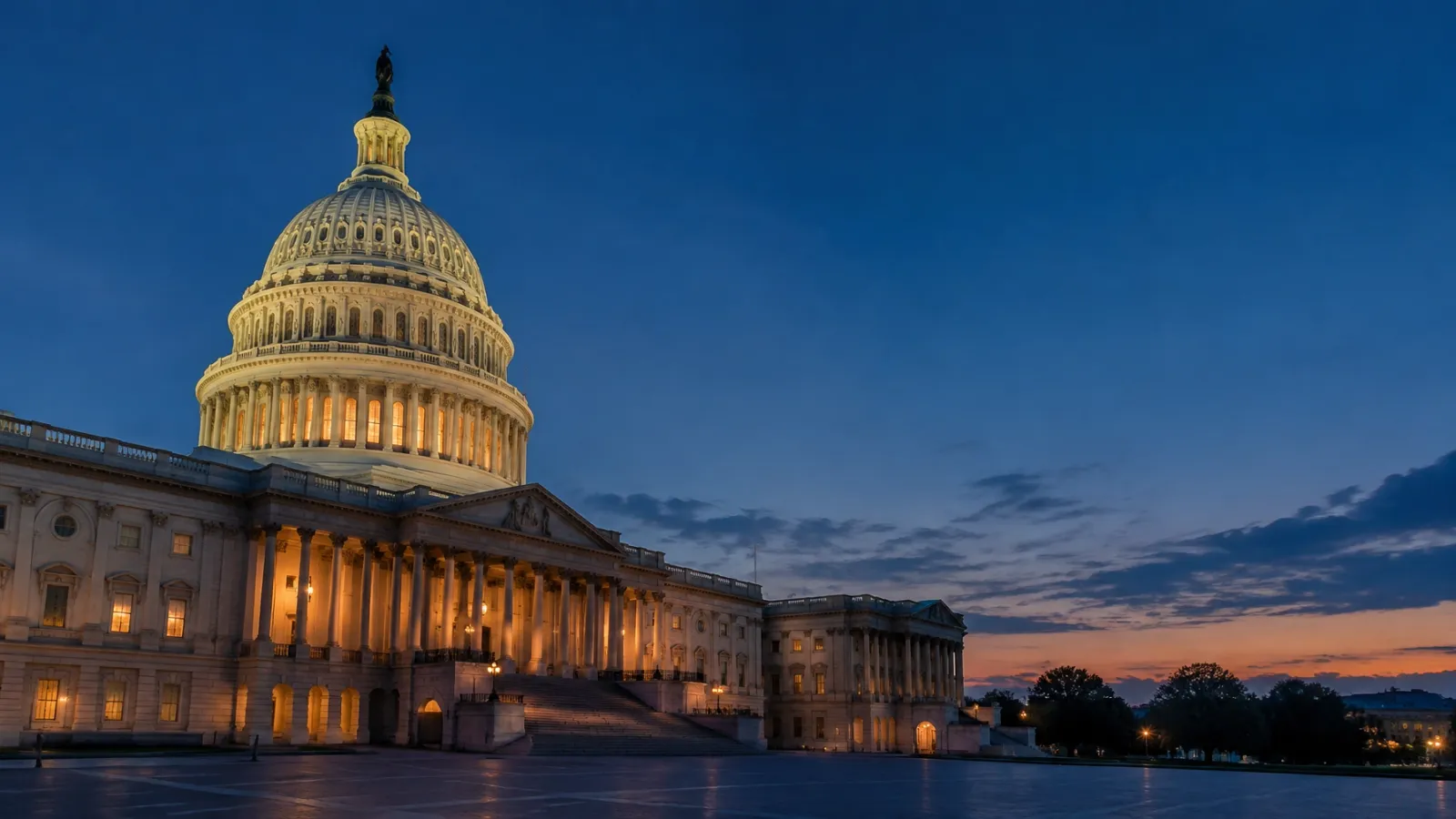
As generative AI tools become more common in music, questions about consent, credit, and compensation are getting more attention in Washington. The Recording Academy’s 2026 Music Advocacy Day focused on three proposed bills that address different parts of that debate: the NO FAKES Act, the TRAIN Act, and the Protect Working Musicians Act.
According to the Recording Academy’s coverage, the annual event took place on October 8, its 12th year. The Academy said it connects thousands of members with congressional representatives across all 50 states, Washington, D.C., and Puerto Rico. This year, its advocacy centered on protections for artists’ identities, transparency around AI training, and negotiating power for independent creators.
None of the three bills is law. The Academy supports their passage, but each remains a proposal pending in Congress. Here’s what the bills would do, and what artists can consider while lawmakers debate them.

The three bills explained
NO FAKES Act: protection from unauthorized AI replicas
The bipartisan NO FAKES Act would establish a federal property right protecting people from unauthorized use of their voice, image, or likeness to create AI-generated deepfakes and clones. The Recording Academy describes the bill as including remedies for misuse while preserving protections for free speech.
The Senate Judiciary Committee advanced the bill by unanimous vote in June 2026. That was a committee step, not passage by the full Congress. The bill remains pending and is not federal law. The Academy’s June update explains the committee vote and the legislation’s proposed protections.
For artists, the subject is not limited to a song that imitates a voice. A convincing synthetic performance could also raise questions about the use of an artist’s identity in promotion, entertainment, or other contexts. The proposed bill would create a federal framework, but it would not mean every use of a voice or likeness is automatically prohibited; the bill also addresses free-speech protections.
TRAIN Act: a way to seek information about AI training
The TRAIN Act, the Transparency and Responsibility for Artificial Intelligence Networks Act, would give creators a way to seek records about whether their work was used to train generative AI models. Under the proposal described by the Recording Academy, an administrative subpoena could be used to obtain relevant training data and records.
The bill is proposed, not law. If enacted, it would address a visibility problem: artists may suspect their work was used in training but have limited information to confirm it. The proposal is about access to information; it does not, by itself, guarantee payment or determine whether a particular use was lawful.
Protect Working Musicians Act: collective bargaining
The Protect Working Musicians Act would allow independent artists and songwriters to negotiate collectively with large streaming platforms and AI developers without running afoul of antitrust law. The Recording Academy argues that individual creators often have less negotiating leverage than large companies.
The bill remains proposed and pending in Congress. Its purpose is to make collective negotiation possible under a limited legal framework, not to guarantee a particular deal, royalty rate, or outcome for artists.
Why this matters for independent artists
The voice and likeness gap
Artists build recognizable identities over time. A synthetic voice or image that appears to be theirs can create confusion about whether they participated, approved a message, or endorsed a project. The NO FAKES Act would address unauthorized replicas at the federal level, but artists still need to understand what permissions they have already granted in contracts.

The training-transparency gap
When a creator cannot see what material was used to train an AI model, it can be difficult to ask informed questions about consent or compensation. The TRAIN Act proposes a way to seek relevant records. Even if it becomes law, it would not resolve every dispute about training, copyright, or licensing; it would address one practical issue. Access to information.
The negotiation-leverage gap
An independent artist negotiating alone may have less influence than a global platform or technology company. The Protect Working Musicians Act proposes a path for creators to negotiate collectively without violating antitrust law. Whether that would lead to different terms would depend on the negotiations and how the law is ultimately written and applied.
What artists can do today
Put explicit AI-use language in contracts
Before signing, check whether an agreement covers voice cloning, synthetic performances, image or likeness use, AI training, and related promotion. Where relevant, written terms can define permitted uses, duration, territory, compensation, and whether permission can be withdrawn. The wording should be clear about what is, and is not, authorized.
Keep dated proof of your recordings
Preserve original session files, stems, project files, dated exports, metadata, split sheets, and relevant emails. Maintain secure backups. These materials can help document when a recording was created and who contributed, although keeping records alone does not establish ownership or settle a legal dispute.

Watch state laws, including Tennessee’s ELVIS Act
Federal legislation is not the only protection to follow. Tennessee’s ELVIS Act, signed in 2024, updated state law to protect voice, image, and likeness, including against certain unauthorized AI uses. State laws differ in scope and exceptions, and protections may depend on where a dispute occurs. A state law is not a substitute for a federal standard, and artists facing a specific issue may need advice from a qualified attorney.
Follow the bills’ progress
The Recording Academy’s Music Advocacy Day coverage summarizes the three priorities and its position on them. Bill status can change, so distinguish a committee vote, a proposed bill, and an enacted law when discussing the issue.
Get likeness permissions in writing
If a label, producer, distributor, or technology partner wants to use an artist’s voice or likeness, written permission can clarify what was approved. Keep a copy of the signed agreement and any amendments. Do not assume that a broad release automatically answers every question about future synthetic or AI-generated uses.
Publishing
Publishing generally concerns the composition, the music and lyrics, while a master recording is a particular recorded performance. Different rights and royalty streams may apply, depending on the use, ownership, agreements, and territory. SoundExchange royalties are separate from composition publishing income.
Artists who own or control their master recordings may also collect eligible SoundExchange royalties when their music is played on qualifying non-interactive digital services.
SoundExchange’s information for creators explains its work with digital performance royalties. Its video below offers an overview of how the organization describes its payment system.
Video: SoundExchange, “How To Get Paid For Your Music.”
Radio-friendly talking points
Five-to-10-minute segment cues
- 0:00–1:00, Set the context: Three proposed bills, three issues, identity, transparency, and negotiating leverage. None is law.
- 1:00–2:30, NO FAKES Act: What could unauthorized voice or likeness cloning mean for an artist’s reputation and audience?
- 2:30–4:00, TRAIN Act: Why might creators want records showing whether their work was used to train an AI model?
- 4:00–5:30, Protect Working Musicians Act: What could collective negotiation change for independent creators, and what would it not guarantee?
- 5:30–7:00, Practical steps: Discuss contract language, keeping dated recording files, and checking state protections such as Tennessee’s ELVIS Act.
- 7:00–8:00, Publishing distinction: Explain the difference between composition publishing royalties and eligible SoundExchange royalties tied to sound recordings.
- 8:00–10:00, Wrap-up discussion: Which gap feels most urgent to independent artists, control over identity, access to information, or bargaining power?
For Power JDM The Beat listeners, the central point is straightforward: these bills could change the legal tools available to artists, but they have not done so yet. Contracts, organized records, and accurate information about existing rights remain important while Congress considers what protections may come next.