Podcasting for Artists: Turn Your Story Into Your Superpower
A strong podcast guest brings a point of view, a few real stories, and the preparation to make a conversation useful for listeners.
By Power JDM The Beat
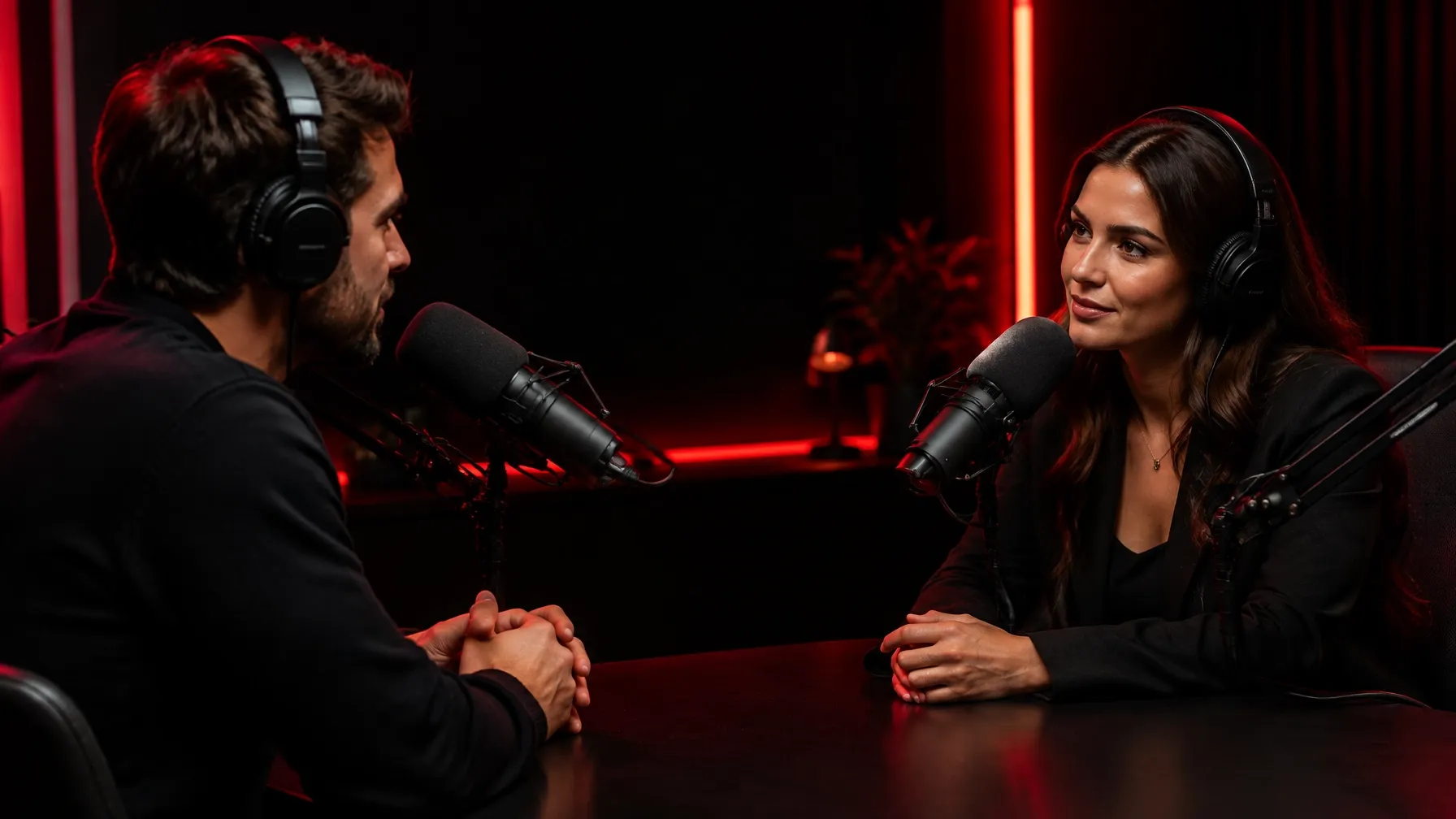
Your story gives the music a door
Artists often lead with the release: the title, the date, the platform, the numbers. Those details matter, but they are not the whole conversation. A podcast gives people time to understand the decision behind the song, the lesson from the last setback, the person who helped, or the moment that changed the direction of the work.
Telling that story does not mean turning every interview into a confession. It means choosing the details that help a listener feel the stakes. When the audience understands what the music is carrying, the record can stay with them longer.
Be a generous guest
Good guests answer the question that was asked, then add something the host can use. Keep your answers clear, avoid racing to the next talking point, and listen for the follow-up. If a question is broad, give the host one specific scene or example rather than a stack of slogans.
Choose stories over statistics
Statistics can establish scale, but stories create memory. Explain what a first show felt like, how a line changed during writing, or what you learned from working with another artist. Keep private details private, and do not invent drama to make the interview sound bigger. A true small moment is more useful than a polished exaggeration.
Prepare without sounding rehearsed
Listen to a recent episode if one exists. Know the show’s tone, bring two or three stories you are comfortable telling, and prepare a simple description of the release. Test your headphones, join early, and keep your listening link ready. Preparation protects your attention so you can stay present in the actual conversation.
Give the feature a second life
When the episode goes live, share the full conversation before cutting it into clips. Tag the host, thank the team, and tell listeners which part of the conversation stayed with you. Link to the music in the same place every time. A thoughtful feature should feel like part of your story, not a disposable promo post.